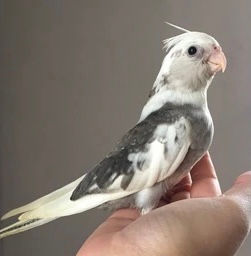
Hand fed baby black cap conure ready to go as of June 1st, 2025.
Baby Black Cap Conure
The green-cheeked parakeet (Pyrrhura molinae), known as the green-cheeked conure in aviculture, is a species of bird in subfamily Arinae of the family Psittacidae, the African and New World parrots. It is found in Argentina, Bolivia, Brazil, and Paraguay.
The green-cheeked parakeet is 9.8 to 10 in long and weighs 2.2 to 2.9 oz. The sexes are the same sizes. Adults of the nominate subspecies P. m. molinae are dull brown from forehead to nape and have green cheeks.
The green-cheeked parakeet has a varied diet that, in the wild, consists of fruits, seeds, flowers and, to a lesser extent, nectar and leaves.
In captivity and at CPbirds.com, we wean green cheek conures on basic, plain cockatiel seed, Roudybush Pellets and fresh fruits and veggies.
Green-cheeked parakeets are common in aviculture and are popular companion parrots. They are playful, affectionate and intelligent, known as having a "big personality in a small body". They can learn to talk, albeit with a limited vocabulary and a gravelly voice. They like to be held (although some like it more than others) and can learn tricks such as lying on their backs, "kissing", shaking, hanging upside down, minor tool use, and even can be potty trained.
Green-cheeked parrots are not very loud at most times, so even an apartment dweller can enjoy their companionship. They are the quietest of the conures and can learn tricks and have a limited vocabulary, with extensive training.
They can be prone to biting, particularly when young, but an owner can cure this behavior with patience and time. This is a normal behavior when the birds are young but it typically goes away after the bird is 6 months old if properly socialized.
When cared for properly, captive green-cheeked conures can live 25–30 years. However, their average lifespan in captivity is closer to 10 years, due to frequent neglect and/or an incorrect diet. This is why it’s important to feed a high quality food, such as Roudybush Pellets and fruits and veggies.